 Réseaux & Télécom
(5)
Réseaux & Télécom
(5)
 Système d’information
(12)
Système d’information
(12)
 Poste de travail
(13)
Poste de travail
(13)
 EMAIL
(7)
EMAIL
(7)
 Communication
(4)
Communication
(4)
 Documentation
(1)
Documentation
(1)

 Outils collaboratifs
(12)
Outils collaboratifs
(12)
 Conférence à distance
(5)
Conférence à distance
(5)
 Organisation SI
(25)
Organisation SI
(25)
 Sécurité des systèmes d’information
(4)
Sécurité des systèmes d’information
(4)
 Informatique scientifique
(1)
Informatique scientifique
(1)
 Innov’Space
 Calcul haute performance
(16)
Calcul haute performance
(16)
 Digital Learning
(10)
Digital Learning
(10)
 Logiciels en licence éducation
(5)
Logiciels en licence éducation
(5)
 Locaux numériques
(6)
Locaux numériques
(6)
 Gestion administrative
(9)
Gestion administrative
(9)
 Ressources humaines
(5)
Ressources humaines
(5)
 Scolarité
(2)
Scolarité
(2)

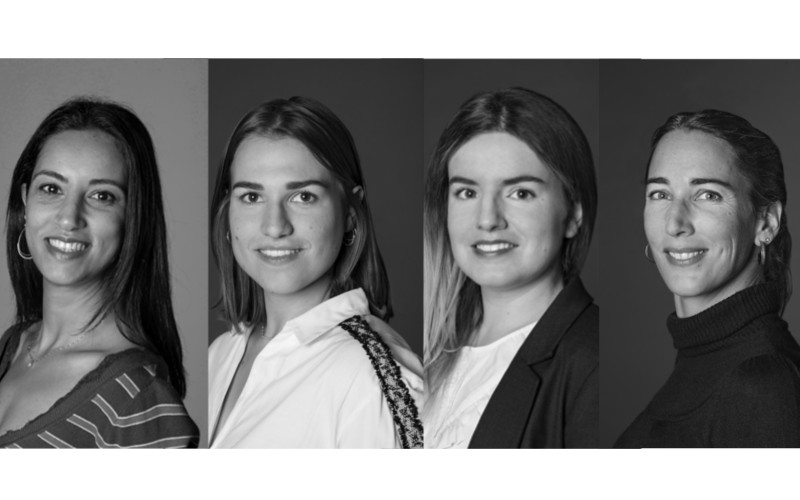
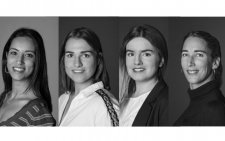 Nos 4 portraits de femmes pour la semaine du 16 mars 2020
#JOURNÉEINTERNATIONALEDESDROITSDESFEMMES
Publié le lundi 23 mars 2020
Dernière modification le 3 septembre 2021.
Dans le cadre de la Journée Internationale des Droits des Femmes du 8 mars, nous vous présentons pendant un mois une galerie de portraits de femmes qui font l’ISAE-SUPAERO. L’occasion de leur demander comment elles perçoivent la place des femmes dans les sciences et dans la société.
Cette semaine, nous mettons à l’honneur :
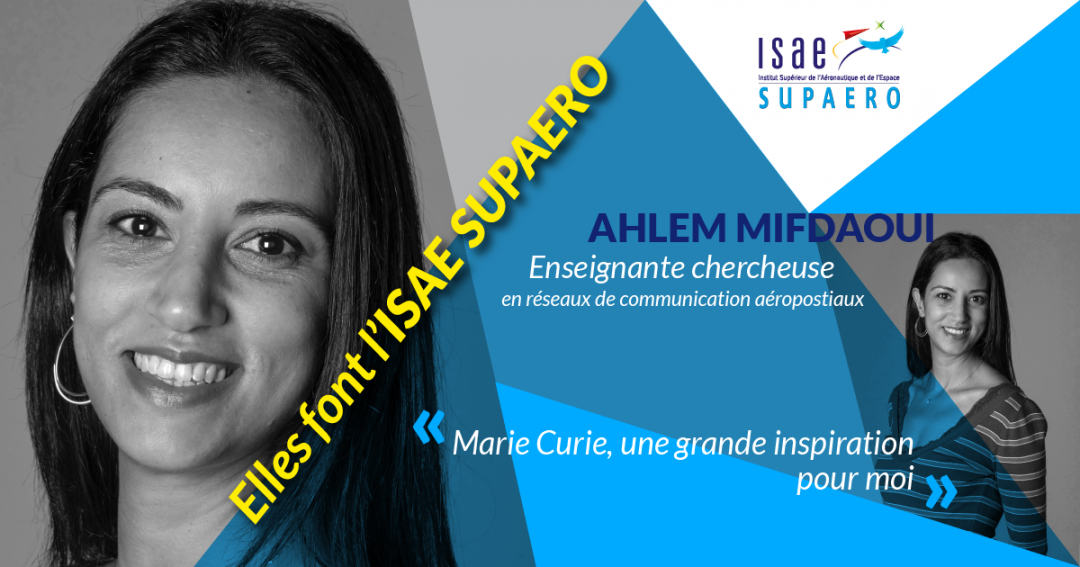
- Ahlem Mifdaoui, personnel à l’ISAE-SUPAERO, elle est professeur titulaire au département DISC.
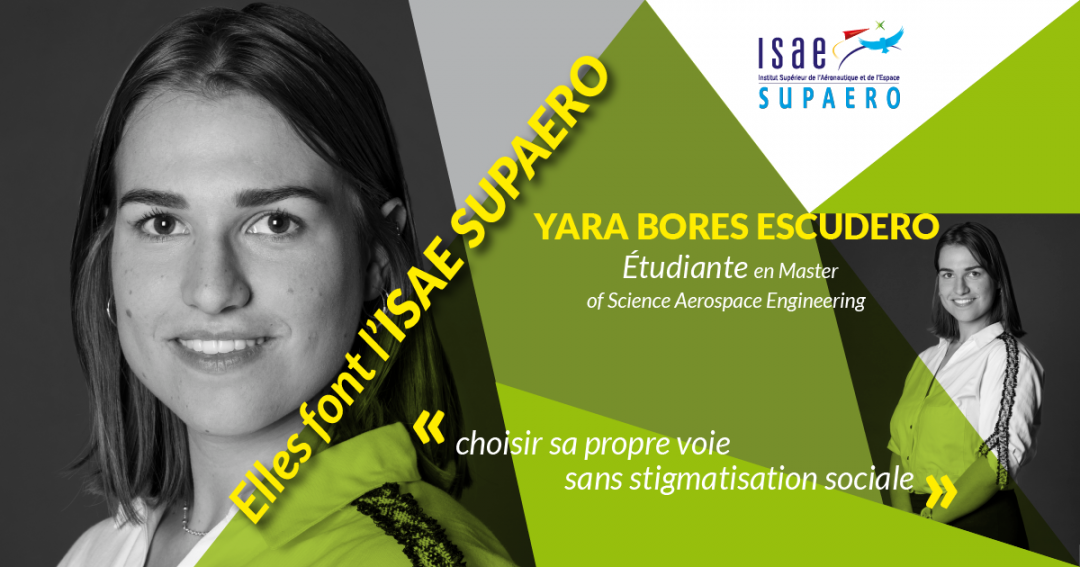
- Yara Bores Escudero, étudiante en Master of Science in Aerospace Engineering, spécialité structures aérospatiales.
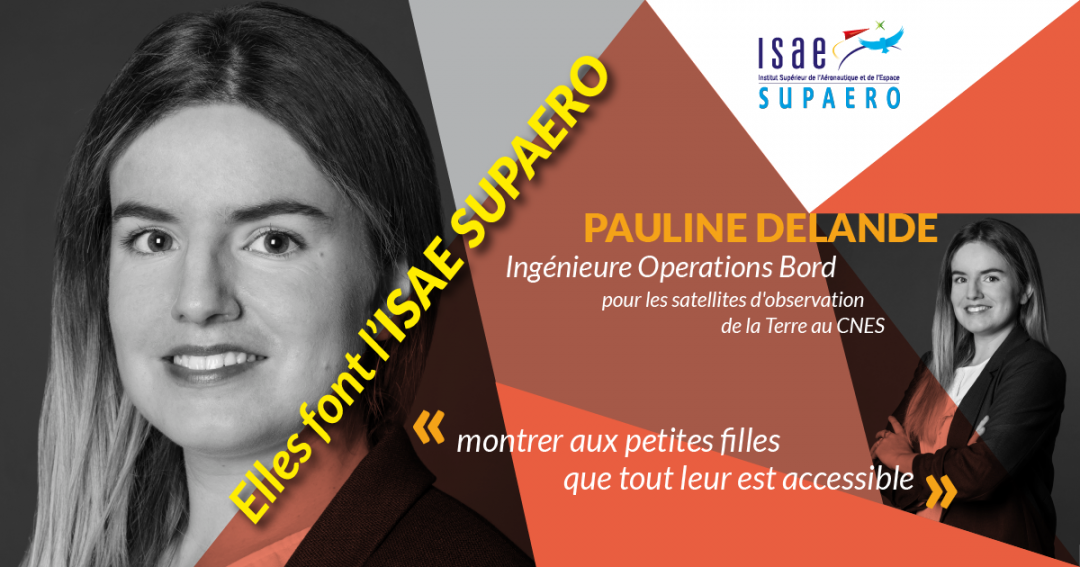
- Pauline Delande, Ingénieure Bord pour les satellites d’observation de la Terre au CNES.
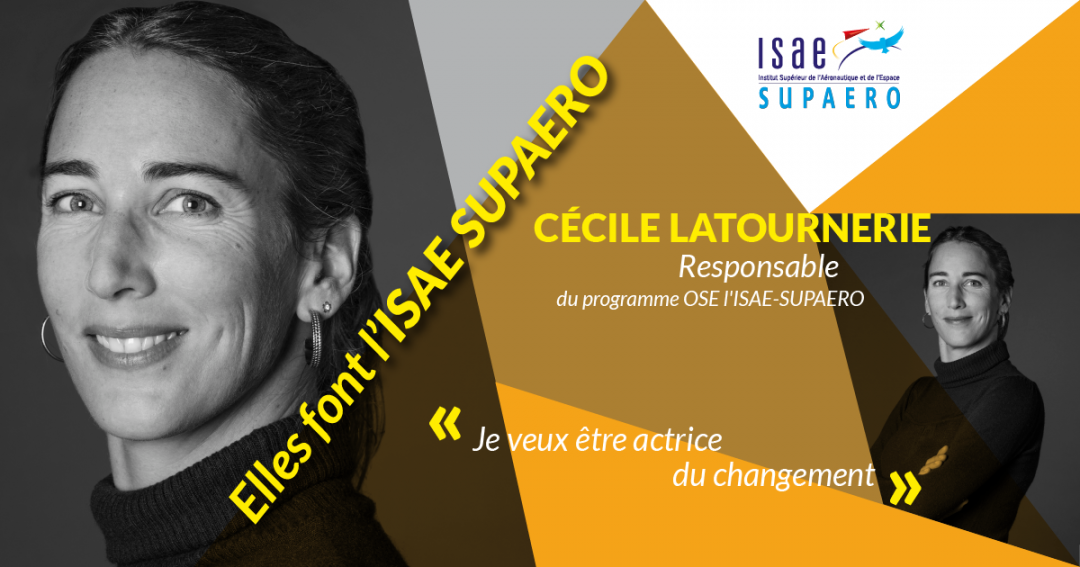
- Cécile Latournerie, responsable du programme OSE l’ISAE SUPAERO.
Ahlem Mifdaoui
QUEL POSTE OCCUPEZ-VOUS ET QU’EST CE QUI A ÉTÉ DÉTERMINANT POUR VOUS DANS VOTRE PARCOURS ?
Je suis professeur au Département Ingénierie des Systèmes Complexes (DISC). Je travaille sur la modélisation et l’analyse des systèmes embarqués. J’encadre et suis responsable du parcours master « embedded systems ». J’ai fait des études d’ingénieur en informatique, puis une thèse sur les réseaux embarqués. Ce sont ma formation et mes compétences acquises tout au long de mon cursus qui m’ont permis d’être sélectionnée sur le poste que j’occupe actuellement.
QU’EST-CE QUI VOUS SEMBLE IMPORTANT POUR L’AVENIR ?
D’un point de vue professionnel, c’est contribuer à l’innovation dans le domaine des réseaux de communication pour les applications aérospatiales et participer au rayonnement de l’institut sur cette thématique, à travers des collaborations avec des partenaires de renommée au niveau national et international. Innover et échanger me semblent être essentiel pour le futur.
EST CE QU’IL Y A DES FEMMES QUI VOUS INSPIRENT, QUI VOUS SERVENT DE MODÈLE ?
Marie Curie est une source de grande inspiration pour moi. Une femme avec une volonté en fer, qui assume ses idées et a su s’imposer dans un milieu sélectif et très masculin avec brio.
QUELS SONT À VOTRE AVIS LES LEVIERS À ACTIVER POUR AMÉLIORER LA PLACE ET LA PART DES FEMMES DANS LA SOCIÉTÉ, LE MONDE DU TRAVAIL, ET LES SCIENCES TECHNOLOGIQUES ?
L’égalité homme/femme dans les différents domaines (société, travail, politique) ne peut être atteinte tant que le pourcentage des femmes dans les postes décisionnels sera faible. Il faut mettre en place une politique drastique pour imposer la parité homme/femme au parlement, au gouvernement, aux comités d’entreprises… en appliquant les règles de discrimination positive. Les conséquences immédiates de cette politique sont l’égalité salariale entre les hommes et les femmes dans les différents domaines, l’envoi d’un message positif aux jeunes filles pour poursuivre des études de haut niveau et de leur permettre de trouver leur rôle moteur dans la société.
SA BIO
- Professeur titulaire au département DISC, Université de Toulouse/ ISAE-Supaéro, Toulouse, France depuis 2017
- Professeur associé au département DISC, Université de Toulouse/ ISAE-Supaéro, Toulouse, France depuis 2008
- HDR en informatique de l’Université Paul Sabatier Toulouse (UPS) en décembre 2016
- Doctorat en informatique de l’Institut national polytechnique de Toulouse (INPT) en décembre 2007
- Diplôme d’ingénieur (i.e. M.S.) en informatique et ingénierie de la gestion du trafic aérien en 2004 de l’Ecole Nationale de l’Aviation civile (ENAC) à Toulouse
Ses recherches en cours :
- FACTORING (2019-2023)
L’objectif du projet FACTORING est de concevoir et de valider un réseau conforme au TSN basé sur le Giga Ethernet pour traiter des applications en temps réel avec des niveaux de sécurité mixtes dans le contexte de l’industrie 4.0 - Projet ECOA (2019-2020)
L’objectif du projet ECOA est d’optimiser l’architecture en temps réel d’un système embarqué en utilisant le modèle ECOA.
Ses derniers articles :
- Giroudot, Frédéric and Mifdaoui, Ahlem. Graph-based Approach for Buffer-aware Timing Analysis of Heterogeneous Wormhole NoCs under Bursty Traffic. ( In Press : 2020) IEEE Access. ISSN 2169-3536
- Amari, Ahmed and Mifdaoui, Ahlem. Specification and Performance Indicators of AeroRing—A Multiple-Ring Ethernet Network for Avionics Embedded Systems. (2018) Sensors, 18 (11). 1-28. ISSN 1424-8220
Membre du groupe de recherche en réseaux de communication (RESCOM) :
Les activités de recherche du groupe RESCOM se focalisent sur les problématiques de réseaux dans les contextes liés à l’aéronautique et à l’espace, c’est à dire les communications spatiales, les réseaux embarqués et les réseaux tolérants aux délais. Les résultats de ces travaux font aussi l’objet d’applications dans des systèmes plus traditionnels (Internet, réseaux sans fil, stockage distribuées, …). Les deux thèmes de recherche portés par le groupe sont : Réseaux de communication aérospatiaux & Systèmes connectés.
Yara Bores Escudero
QUE FAÎTES-VOUS À L’ISAE-SUPAERO ET QU’EST CE QUI A ÉTÉ DÉTERMINANT DANS VOTRE PARCOURS ?
Je termine mon Master of Science in Aerospace Engineering, et ma spécialité est Aerospace structures. Je vais commencer mon stage chez l’avionneur ATR. Pour arriver ici j’ai toujours suivi ma passion pour le monde de l’aéronautique et je ne me suis, surtout, jamais fermé aucune porte. J’ai étudié aux Etats Unis, je pratique plusieurs sports dont le basket et la course d’orientation, j’ai suivi des formations complémentaires et j’ai fait le choix de suivre un master à l’étranger, ici à Toulouse. Ces choix ont fait de de moi l’ingénieure que je suis aujourd’hui.
QU’EST-CE QUI VOUS SEMBLE IMPORTANT POUR L’AVENIR ?
Je pense qu’il est important de chercher à apprendre tout au long de sa vie, de faire une sorte d’apprentissage continu et de rester toujours motivée pour explorer de nouvelles opportunités. Il ne faut jamais se contenter de ce que l’on a quel que soit le domaine professionnel ou personnel et aller de l’avant surtout quand on est une femme..
EST CE QU’IL Y A DES FEMMES QUI VOUS INSPIRENT, QUE VOUS ADMIREZ ?
Je n’ai pas une femme particulière en tête. J’admire toutes ces femmes qui ne se rendent pas et qui luttent pour leurs rêves. Elles sont à l’avant-garde de ce nécessaire changement dans la société.
QUELS SONT À VOTRE AVIS LES LEVIERS À ACTIVER POUR AMÉLIORER LA PLACE ET LA PART DES FEMMES DANS LA SOCIÉTÉ, LE MONDE DU TRAVAIL, ET LEUR PRÉSENCE DANS LES SCIENCES TECHNOLOGIQUES ?
Les femmes doivent avoir plus de reconnaissance dans tous les domaines de la vie publique. Il faut citer en référence davantage les femmes qui jouent un rôle actif dans la société. C’est un message important qui fera écho aux jeunes filles pour orienter leur vie et leur carrière. Elles pourront choisir leur propre voix sans stigmatisation sociale.
Pauline Delande
QUEL POSTE OCCUPEZ-VOUS ET QU’EST CE QUI A ÉTÉ DÉTERMINANT POUR VOUS DANS VOTRE PARCOURS ?
Aujourd’hui, je suis Ingénieure Bord pour les satellites d’observation de la Terre, à l’Agence Spatiale Française (CNES). En quelques mots, ma mission est de préparer et réaliser des opérations en orbite, ainsi que d’investiguer et de remettre le satellite en fonctionnement en cas d’anomalie. À mes proches qui ne sont pas familiers du domaine spatial, je leur dis souvent pour vulgariser que je suis « médecin-urgentiste de satellites ».
Mon passage à l’ISAE-SUPAERO en mastère spécialisé Ingénierie des Systèmes Spatiaux (TAS Astro) a joué un grand rôle pour me permettre d’exercer ce métier. Entre les cours, les clubs étudiants, les projets obligatoires et facultatifs, j’ai pu y saisir beaucoup d’opportunités pour développer de nouvelles connaissances et compétences qui me sont désormais très utiles.
QU’EST-CE QUI VOUS SEMBLE IMPORTANT POUR L’AVENIR ?
Pour la suite, je crois que le plus important est de suivre ses envies, sans avoir peur d’être ambitieux dans ses projets, d’essayer des nouvelles choses, même si on se trompe et saisir les opportunités quand elles se présentent. J’ai bien sur un grand intérêt pour le spatial, l’exploration spatiale et les vols habités.
EST CE QU’IL Y A DES FEMMES QUI VOUS INSPIRENT, QUI VOUS SERVENT DE MODÈLE ?
Beaucoup de femmes m’inspirent, au quotidien. Ma mère tout d’abord par sa capacité à s’organiser et à mener beaucoup de projets de front, et parce qu’elle m’a inculqué aussi la valeur du travail. Mes autres modèles sont ma grand-mère, mes amies proches mais également mes collègues femmes.
Côté aérospatial, je suis évidemment très inspirée par Claudie Haigneré, première femme européenne dans l’espace, médecin, scientifique, spationaute et femme politique, elle a un parcours exceptionnel. Elle a participé, et participe toujours, par son implication dans la vie publique à briser beaucoup de stéréotypes.
QUELS SONT À VOTRE AVIS LES LEVIERS À ACTIVER POUR AMÉLIORER LA PLACE ET LA PART DES FEMMES DANS LA SOCIÉTÉ, LE MONDE DU TRAVAIL, ET LES SCIENCES TECHNOLOGIQUES ?
L’éducation joue un rôle fondamental. Il faut déconstruire les stéréotypes dès le plus jeune âge, montrer aux petites filles que, quelles que soient leurs ambitions, tout leur est accessible en leur donnant les outils pour se libérer du sexisme. Il ne faut pas sous-estimer également, l’importance, consciente et inconsciente, des modèles et améliorer la visibilité des femmes qui réussissent dans des secteurs très masculins.
SA BIO
Pauline Delande est une Alumni de l’ISAE-SUPAERO & Ingénieure Opérations Bord au CNES, pour le maintien en conditions opérationnelles des satellites d’observation de la Terre. Diplômée du Mastère Spécialisé TAS Astro (Space Systems Engineering), elle a travaillé pendant sa formation sur le projet SEEDS (SpacE Exploration and Development Systems) qui a pour objectif la préparation de missions d’exploration habitée sur Mars. Lors de son stage de fin d’études au CNES elle travaille pendant 6 mois sur la conception et la réalisation d’une expérience en ZeroG pour tester le déploiement de CubeSats. Elle est également ingénieure en Génie Mécanique, avec une spécialisation aérospatiale à l’INSA de Toulouse.
Cécile Latournerie
QUEL POSTE OCCUPEZ-VOUS ET QU’EST CE QUI A ÉTÉ DÉTERMINANT POUR VOUS DANS VOTRE PARCOURS ?
Je suis responsable du programme OSE l’ISAE SUPAERO, dispositif d’égalité des chances dans l’accès à l’enseignement supérieur pour toutes et tous. Issue de milieu rural et modeste, je suis le premier membre de ma famille à avoir fait des études supérieures. Soutenue et encouragée, j’ai eu le choix dans mes trajectoires pour mes études et mes mes orientations professionnelles. J’ai toujours saisi les opportunités qui s’offraient à moi. Et aujourd’hui je peux dire que j’incarne mon job.
QU’EST-CE QUI VOUS SEMBLE IMPORTANT POUR L’AVENIR ?
La question du sens est essentielle dans ma projection personnelle et professionnelle : je veux être actrice du changement. Cela consiste à donner à chacun le choix et les clefs de réussite pour construire son parcours, indépendamment de son milieu, son genre, son origine…
QU’EST-CE QUI VOUS INSPIRE, QUI VOUS SERT DE MODÈLE ?
Je citerai une femme et un livre.
Ma grand-mère, femme engagée, positive, chaleureuse, a consacré toute sa vie aux autres. Ses actions ont toujours été en adéquation avec ses convictions et ses valeurs humaines. L’ouvrage de Michelle Perrot « Les femmes ou les silences de l‘histoire » a nourri mon désir et mon besoin de travailler sur la question de la place des femmes dans la société.
QUELS SONT À VOTRE AVIS LES LEVIERS À ACTIVER POUR AMÉLIORER LA PLACE ET LA PART DES FEMMES DANS LA SOCIÉTÉ, LE MONDE DU TRAVAIL, ET LES SCIENCES TECHNOLOGIQUES ?
A mon sens le levier principal reste l’éducation. L’autocensure, les stéréotypes, les représentations se construisent dès le plus jeune âge. Dans ce contexte, l’école joue un rôle essentiel. Elle doit pouvoir donner des modèles de réussite, proposer des figures inspirantes, travailler sur la confiance en soi, sensibiliser les garçons, eux aussi acteurs du changement. Charge à nous d’y contribuer quotidiennement.
SA BIO
Cécile a suivi un parcours de formation consacré à l’étude des langues, à la valorisation des cultures et à l’enseignement :
• DEA Langues Littératures Civilisations Hispaniques Etrangères Espagnol,
• Maîtrise Français Langue Etrangère
• Master 2 Relations Interculturelles Coopération Internationale.
« Après plusieurs séjours académiques à l’étranger (Mexique, Pérou et Espagne), j’ai débuté ma carrière professionnelle au sein de l’équipe en charge de la candidature de Toulouse au titre de Capitale Européenne de la Culture en 2013. Suite à cette expérience de deux années de compétition internationale, j’ai continué dans le domaine public par la gestion de dispositifs étatiques de soutien aux projets de jeunes et de prise en charge de grands précaires (hébergement d’urgence, mise sous tutelle et curatelle, …) à la Direction Régionale de la Jeunesse, des Sports et de la Cohésion Sociale. Depuis 2015, je poursuis ma vocation sociale et éducative en tant que responsable du programme d’égalité des chances dans l’accès à l’enseignement supérieure, la Cordée de la Réussite OSE l’ISAE SUPAERO. »
Sur le même sujet
-
La thèse de Pablo Caron en 180 secondes : lauréat d’un prix de thèse 2020 Fondation ISAE-SUPAERO
19 janvier 2021 - Recherche, Communication -
Aidez le projet étudiant SolarBoost et votez pour eux !
18 janvier 2021 - Aurore, Communication -
La thèse de Alexandre Le Roch en 180 secondes : lauréat du prix de thèse 2020 Fondation ISAE-SUPAERO
18 janvier 2021 - Recherche, Communication -
COVID-19 : LES 4 REFLEXES A RESPECTER
13 janvier 2021 - Santé, Communication -
La carte de vœux 2021 ISAE-SUPAERO / Fondation ISAE-SUPAERO / Association ISAE-SUPAERO ENSICA ALUMNI est en ligne !
14 décembre 2020 - Communication interne, Communication -
Appel à candidatures : Echange entre chercheur.es et journalistes
7 décembre 2020 - Recherche, Communication -
L’ISAE-SUPAERO en 2040 ? Partagez votre vision ! / ISAE-SUPAERO in 2040 ? Share your vision !
1er décembre 2020 - Questionnaire, Communication -
Les dispositifs du gouvernement pour stopper les violences sexistes et sexuelles
1er décembre 2020 - Communication -
Enquête concernant les Risques PsychoSociaux (RPS
30 novembre 2020 - Communication -
Le projet I CARE dans la course pour le concours « les ingénieurs du futur » de l’Usine Nouvelle, à vos votes !
25 novembre 2020 - Formation, Recherche, Communication, Espace